
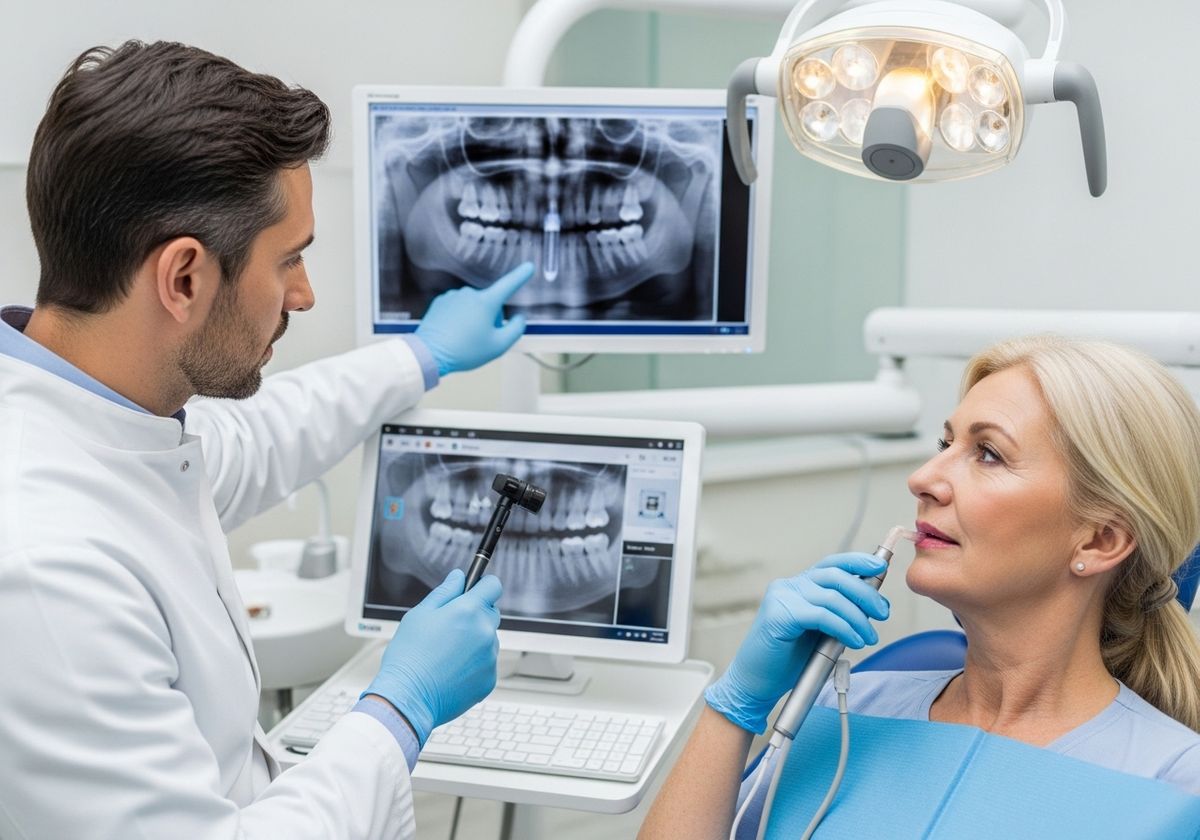
At Oahu Dental Care, we've been providing superior dental care to families and individuals for over 25 years. We believe everyone deserves a healthy and beautiful smile. That's why we're committed to providing the best care and offering treatment options that fit your budget. Our team of experienced professionals is dedicated to helping you achieve optimal oral health for years to come. A smile is a curve that sets everything straight.
While dental implants boast a high success rate, it's important to understand that failures can occur, even years after the initial procedure. Understanding the potential causes can help you maintain your investment and ensure long-term success. Here's what you should know:
Understanding Dental Implant Failure
Dental implant failure is classified into two categories: early failure, which occurs within the first few months after placement, and late failure, which happens a year or more after the implant has successfully integrated with the jawbone. While early failures are often linked to issues during the initial surgery or healing process, late failures can be more complex and stem from a variety of factors.
Common Causes of Late Dental Implant Failure
Peri-implantitis: This is the most common cause of late dental implant failure. Peri-implantitis is an inflammatory condition that affects the tissues surrounding the implant, leading to bone loss and eventual implant loosening. It's often caused by poor oral hygiene, leaving bacteria to accumulate around the implant.
Poor Oral Hygiene: Inadequate brushing and flossing can lead to plaque and tartar buildup around the implant, increasing the risk of peri-implantitis.
Lack of Maintenance: Regular dental check-ups and professional cleanings are crucial for maintaining the health of your dental implants. Skipping these appointments can allow problems to develop unnoticed.
Systemic Health Conditions: Certain medical conditions, such as diabetes and osteoporosis, can compromise the body's ability to heal and maintain bone density, increasing the risk of implant failure.
Bruxism (Teeth Grinding): Excessive teeth grinding or clenching can put excessive stress on dental implants, leading to damage and eventual failure.
Implant Overload: Applying excessive force on the implant, such as biting on hard objects, may cause dental implant failure.
Preventing Late Dental Implant Failure
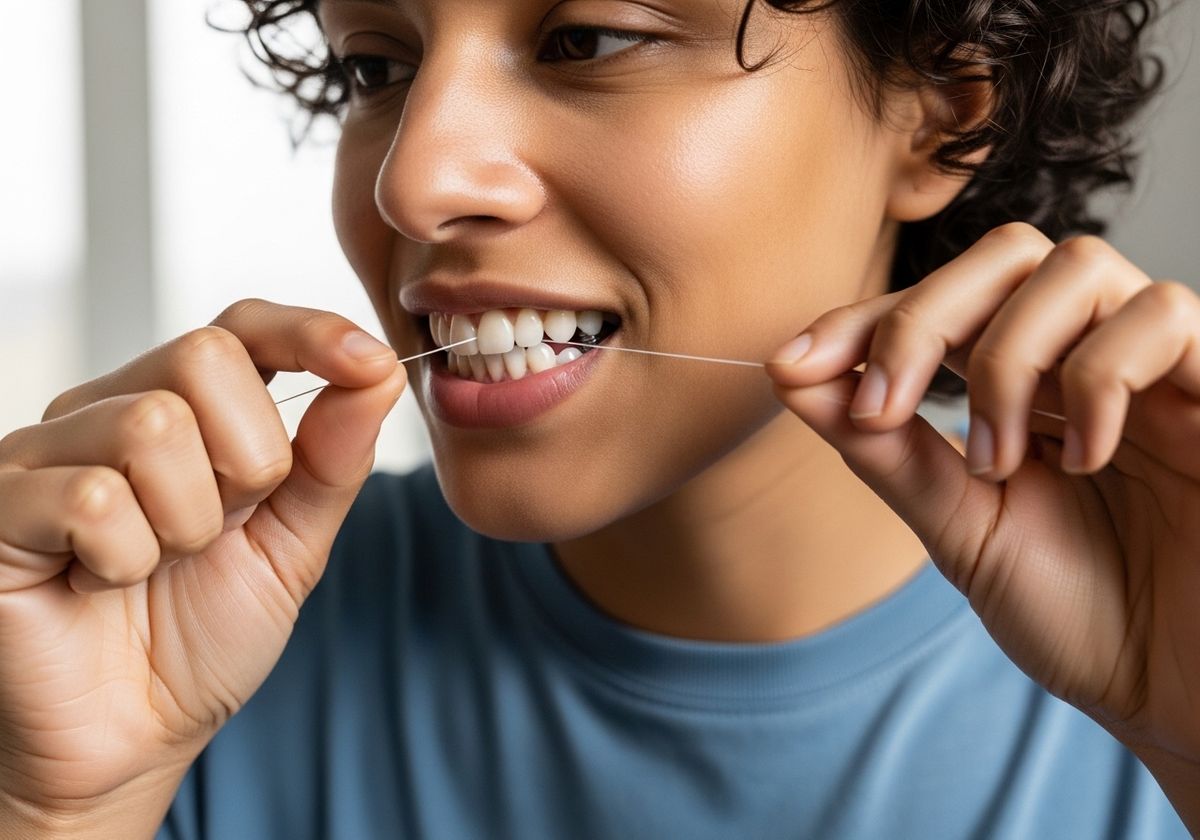
Maintain Excellent Oral Hygiene: Brush your teeth at least twice a day and floss daily, paying close attention to the area around the implant.
Regular Dental Check-ups: Schedule regular check-ups and cleanings with your dentist to monitor the health of your implants and address any potential issues early on. Your Oahu dentist can provide personalized guidance.
Manage Systemic Health Conditions: If you have any underlying health conditions, such as diabetes or osteoporosis, work with your doctor to manage them effectively.
Use a Night Guard: If you grind your teeth at night, ask your dentist about a custom-made night guard to protect your implants from excessive stress.
Avoid Hard or Sticky Foods: Be mindful of your diet and avoid biting on hard or sticky foods that could damage your implants.
Taking care of your dental implants is essential for their long-term success. By practicing good oral hygiene, attending regular check-ups, and addressing any underlying health conditions, you can significantly reduce your risk of late dental implant failure. Remember, a healthy smile is a happy smile, and we at Oahu Dental Care are here to help you keep smiling for years to come. If you're looking for a trusted family dentist or cosmetic dentist, or if you have any questions about dental implants, please contact us today to schedule a consultation.